
A menu in a dim restaurant and a paperback under my own reading lamp used to ask nothing different of my eyes. Now one is a small ordeal and the other still mostly works, and that gap is the clearest proof I have that aging vision doesn't fail evenly. It's why I started keeping notes on every eye supplement I tried instead of just buying another pair of reading glasses.
Quick disclosure up front: a few of the links ahead are affiliate links, and if you buy through them I earn a small commission at no extra cost to you. I only write about supplements I've actually used myself. I'm not a doctor or eye care professional of any kind, so check with your own eye doctor before starting anything new.
Here's my answer up front, after four years of testing one formula after another: there isn't a single "best" eye vitamin for blurry vision, there's a best fit for how much reading you actually do in a day. I know a formula is doing its job when I get fifty pages into a paperback bought that same afternoon at Powell's on Burnside without once reaching over to adjust the lamp. That's the whole test, and it has nothing to do with how many ingredients are printed on the label.
When Presbyopia Support Stops Being Optional
My whiteboard notes were the first casualty, and quietly, it scared me more than I let on to my students. For most of my life I was the one people asked to read fine print off the backs of medicine bottles, and then, almost overnight around forty-eight, the board in my own classroom started looking like a rainy windshield.
Four pairs of reading glasses accumulated within two years of that afternoon — one in the kitchen, one on the nightstand, one in my bag, one permanently lost in the sofa cushions — and by the time I retired I needed plus-two-point-zero power just to read email. Wikipedia's entry and Wiktionary's definition of presbyopia both use stricter clinical language than I ever will here — I've written a separate piece on the actual mechanics of aging eyes for anyone who wants that version — but the short of it is that near focus goes first, and it doesn't come back on its own. I even cut my screen time down to a couple of hours a day for a full month at one point, certain that was the real culprit; the afternoon fog in my reading didn't budge at all. Night driving turned into its own separate problem around the same time — a story I've told in full elsewhere — but between the whiteboard, the screens, and the headlights, I ran out of reasons to keep ignoring any of it.

Comparing iGenics, TheyaVue, and VisiFlora Without the Marketing Copy
Between the three formulas I've actually tried, the differences show up less in the ingredient list and more in daily friction. iGenics leans on twelve targeted ingredients aimed specifically at age-related concerns, which sounded right for someone doing hours of close reading every day, and I documented that experience at length in my full iGenics review. The capsule itself is on the larger side, though, which turned my morning routine into a small chore, and the results were slower to show up for me than I expected.
TheyaVue took the opposite approach: twenty-four ingredients covering a much wider spread of general eye concerns, at a noticeably more affordable price point, which makes it a reasonable low-commitment starting place for someone who isn't ready to spend much. More ingredients didn't automatically mean better results for my specific reading load, though, and if you want the full side-by-side breakdown, I put one together in the iGenics vs TheyaVue comparison that goes through the label details line by line.
What I Actually Look For on an Eye Vitamin Label
Most drugstore eye vitamins default to a basic ratio of Lutein and Zeaxanthin built for someone watching a couple of hours of television a night, not someone who reads or grades papers for six hours straight. The macula — the part of the eye responsible for sharp central vision, and the reason people talk about macular health at all — gets its own full write-up elsewhere on this site, so I won't rehash the biology here; what matters for label-reading purposes is that heavy near-work probably asks more of the macula than a standard ratio accounts for.
Reading glasses only ever solved half of my problem, and I said as much in a piece about why reading glasses alone weren't enough for someone doing the kind of near-work I do — they magnify the blur, they don't touch the underlying fatigue that made my eyes feel heavy by mid-afternoon. How well your body actually absorbs any of this is its own rabbit hole, one I've gone deep on in another guide; for day-to-day purposes, what mattered more to me was pill count and format, not the absorption science. Dry eyes are a related but separate problem, with their own fix I go into elsewhere, so this piece stays focused on the blur rather than the grit.
Guarantees, Routines, and the Gut-Eye Angle
VisiFlora's whole pitch rests on what's called the gut-eye connection, and I've broken that research angle down in full somewhere else on this site rather than repeat it here. What won me over practically was simpler: a single capsule once a day, and a sixty-day money-back guarantee that meant trying it didn't feel like throwing money into a black hole. After VisiFlora became part of my routine, the afternoon fog that used to send me hunting for eye drops thinned out considerably. My vision never became something out of a magazine ad, it just got easier to live with.
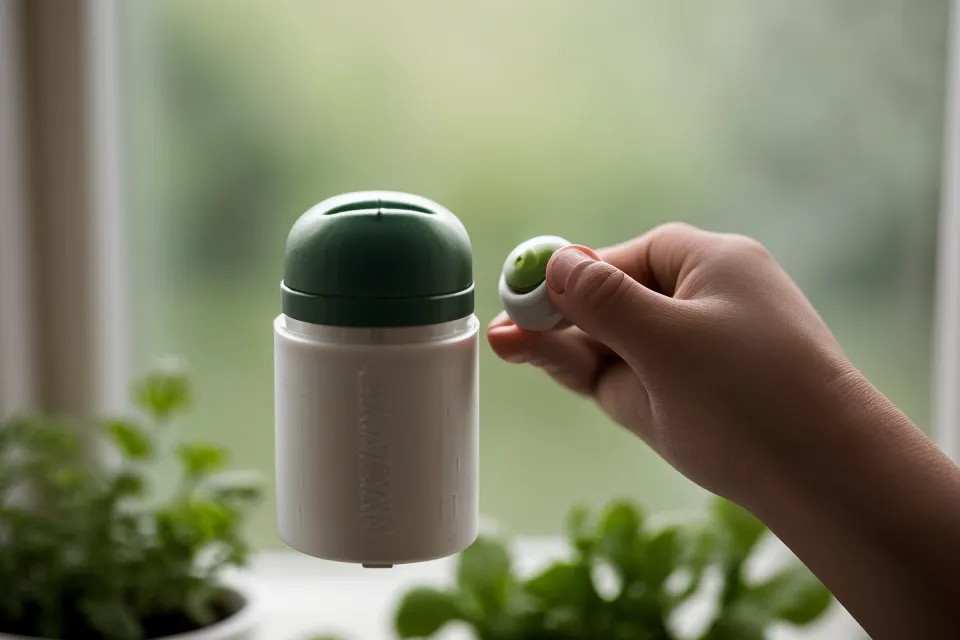
My neighbor three houses east, Deborah Umezu, switched almost entirely to audiobooks once evening reading started wearing her eyes out faster than she liked, and I understand the appeal completely. I wasn't ready to give up print yet, though, which is probably the real reason the guarantee and the routine mattered as much to me as any ingredient did — you can check the official VisiFlora site yourself if a low-commitment trial period is what would get you to actually try one of these instead of just reading about them.
People ask me some version of the next three questions constantly, usually over decaf in somebody's kitchen rather than anything formal, so here they are with straight answers.
Do I Still Need Vitamins If I Already Wear Readers?
Think of it this way: reading glasses are a crutch for a weak leg. They get you around, but they don't make the leg stronger, and eye vitamins are aimed at supporting the tissue and nerves behind the correction rather than replacing it. I still wear my readers every single day, but since adding a higher-quality supplement like iGenics or VisiFlora into the mix, the sense of constantly fighting a haze underneath the correction has mostly gone away.
Which Supplement Is Easiest to Stick With?
Consistency wins over ingredient count almost every time. I loved the profile behind iGenics and its twelve targeted ingredients, but the larger capsule made it harder for me to stay consistent some mornings, and TheyaVue's lower cost is appealing if you're patient enough to wait out slower results. The one-capsule routine behind VisiFlora has been the easiest for me personally to maintain without overthinking it every morning, which sounds like a small thing until you've actually tried keeping up five different regimens at once like I did before landing on one.
Is This Actually Permanent, or Could It Reverse?
A reader named Glenys Aldrich emails me every so often — she found this site years after her daughter sat in my sophomore English class, and recognized my byline — and she keeps asking some version of this same question. Part of her still wants to believe the blur she's noticing is temporary, something that will correct itself if she just waits it out. Near-vision changes tied to aging don't work that way, in my experience; they don't reverse on their own, though the right support can keep the day-to-day experience of them from getting worse. I don't have a tidy answer that makes that easier to hear, and I don't think pretending otherwise would do her any favors.
Keeping the Pages Turning
None of this makes me twenty again, and none of it turned my vision into something dramatic enough for a headline. What changed is quieter: the fog lifts sooner in the afternoon, the paperback stays open longer before my eyes start complaining, and I no longer feel like every book is a countdown to reaching for readers. Whether you start with the established formula behind iGenics or the gut-health angle behind VisiFlora, the point isn't which bottle you pick first. It's that you actually start paying attention to what your eyes are telling you before you've gone through four pairs of glasses and a drawer full of things that didn't help.